
Common Myths About Buying a Home: Debunked


Understanding Myths About Home Buying
Buying a home is a significant milestone, but it's often surrounded by several misconceptions that can confuse potential buyers. In this post, we'll explore and debunk some of the most common myths about buying a home, giving you the clarity needed to make informed decisions.

Myth 1: You Need a 20% Down Payment
One of the most prevalent myths is that you must have a 20% down payment to purchase a home. While putting down 20% can help avoid private mortgage insurance (PMI), many lenders offer options with much lower down payments. In fact, several programs allow for as little as 3% down, especially for first-time buyers.
It's important to explore different financing options and consult with a mortgage advisor to find a solution that fits your financial situation. Don’t let the 20% myth stop you from pursuing homeownership.
Myth 2: Renting Is Always Cheaper Than Buying
While renting can be more affordable in the short term, buying a home often proves to be a better investment in the long run. With a fixed-rate mortgage, your monthly payments remain stable, whereas rent can increase annually. Additionally, owning a home allows you to build equity over time.

Consider factors like location, market conditions, and personal financial goals when deciding between renting and buying. It's crucial to evaluate the long-term benefits of homeownership before making a decision.
Myth 3: You Can Save Money by Skipping the Home Inspection
Some buyers might think they can save money by forgoing a home inspection, but this approach can lead to costly surprises down the road. A professional home inspection can uncover hidden issues that may not be evident during a casual walkthrough.
- Structural problems
- Electrical and plumbing issues
- Roof and foundation concerns
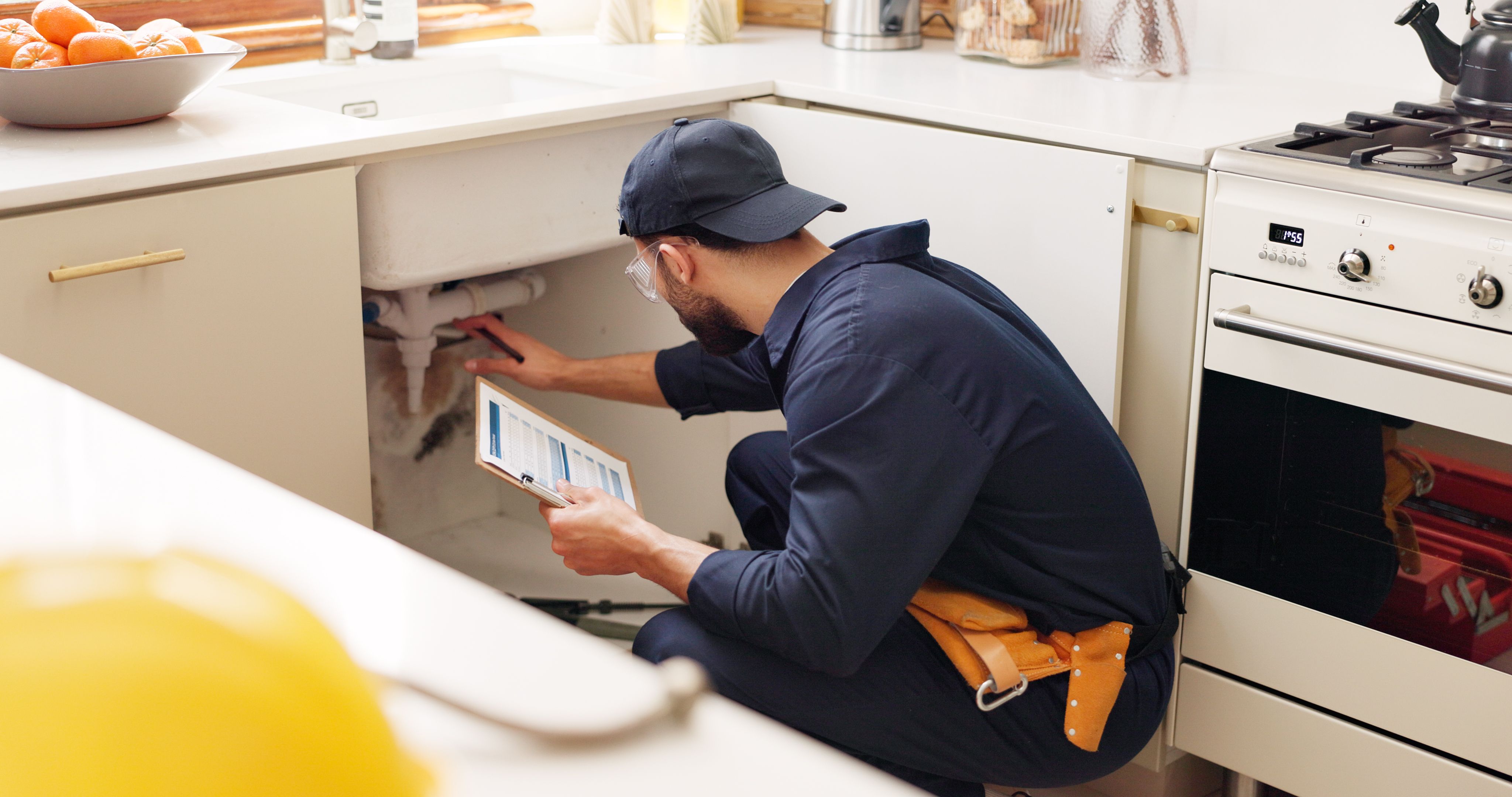
Investing in a thorough inspection can save you from unexpected expenses and provide leverage for negotiating repairs or price adjustments.
Myth 4: You Should Always Buy the Most Expensive Home You Can Afford
While it's tempting to stretch your budget to buy the biggest and best home on the block, this strategy isn't always wise. Overextending yourself financially can lead to stress and limit your flexibility for future expenses or investments.
Instead, focus on buying a home that suits your current needs while allowing room for financial stability and growth. Remember, your home should enhance your life, not constrain it.
Conclusion
Understanding and debunking these common myths about home buying can empower you to make better decisions. By separating fact from fiction, you can approach the home buying process with confidence and clarity.
Whether you're a first-time buyer or looking to upgrade, being well-informed is your best tool for a successful home buying journey.