
Expert Insights: Top Real Estate Trends You Need to Know


Embracing the Digital Revolution
The real estate industry is undergoing a significant transformation driven by technological advancements. With the rise of virtual tours and digital transactions, the buying and selling process has become more streamlined. Real estate professionals are leveraging technology to enhance customer experiences and provide more transparency.
Virtual reality (VR) and augmented reality (AR) tools allow potential buyers to explore properties from the comfort of their homes. These technologies not only save time but also help in making informed decisions. As more people adapt to these tools, the demand for tech-savvy real estate agents is on the rise.

Growing Demand for Sustainable Living
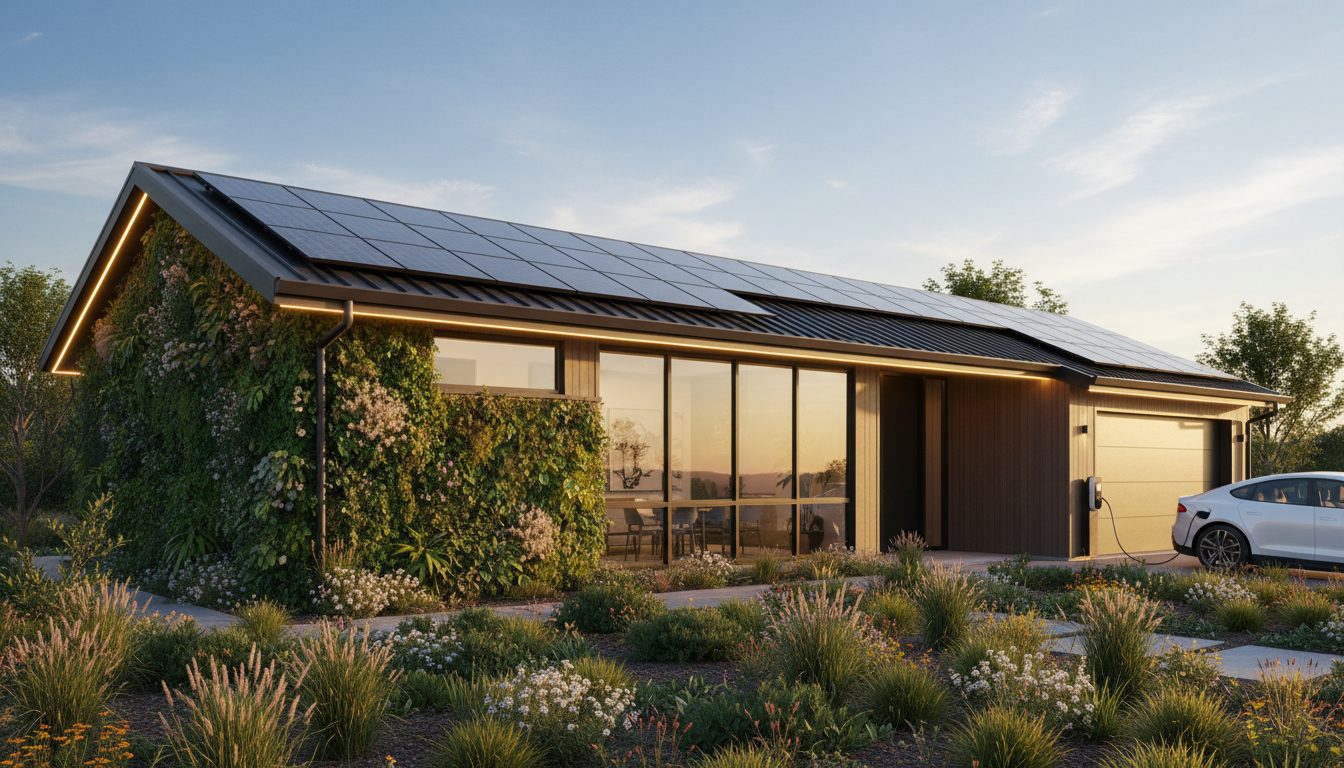
Environmental consciousness is influencing real estate trends, with a growing demand for sustainable and eco-friendly homes. Buyers are increasingly interested in properties with energy-efficient features, such as solar panels and smart home systems.
Green building certifications are becoming a selling point, appealing to environmentally conscious buyers. Real estate developers are focusing on creating sustainable communities that offer a blend of comfort and eco-friendly living.
Suburban Shift Continues
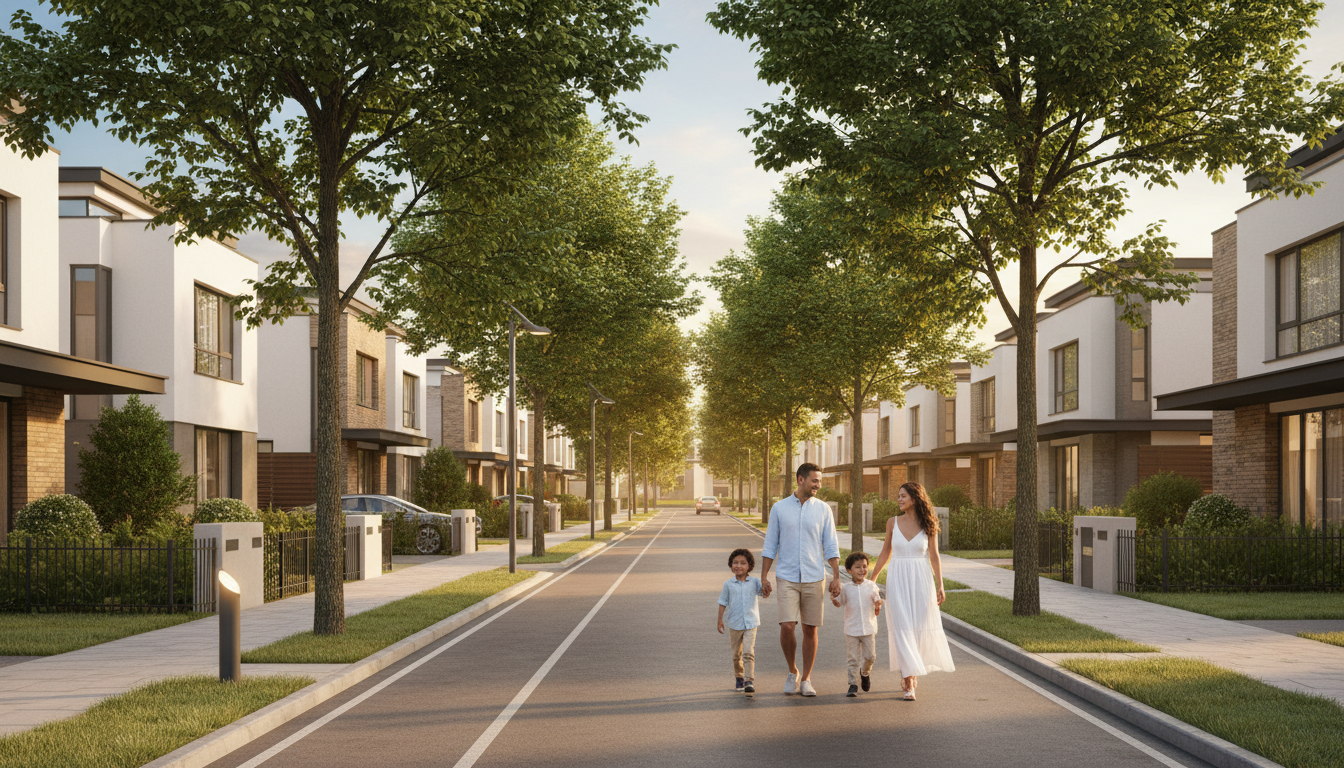
The pandemic has reshaped people's preferences, with many opting for suburban living over urban centers. This shift is primarily driven by the desire for larger spaces and a better quality of life. Suburbs are witnessing a surge in demand, with more families looking for homes that offer ample space and outdoor areas.
This trend has also led to increased investments in suburban infrastructure, making these areas more appealing and accessible. As remote work becomes more prevalent, the suburban shift is likely to continue.
Investment in Rental Properties
With the rise of remote work, there is a growing interest in rental properties, particularly in areas that offer a high quality of life at a lower cost. Investors are capitalizing on this trend by acquiring properties in emerging markets.
Short-term rentals are also gaining traction, driven by platforms like Airbnb. This trend offers lucrative opportunities for real estate investors looking to diversify their portfolios.
The Rise of Co-Living Spaces
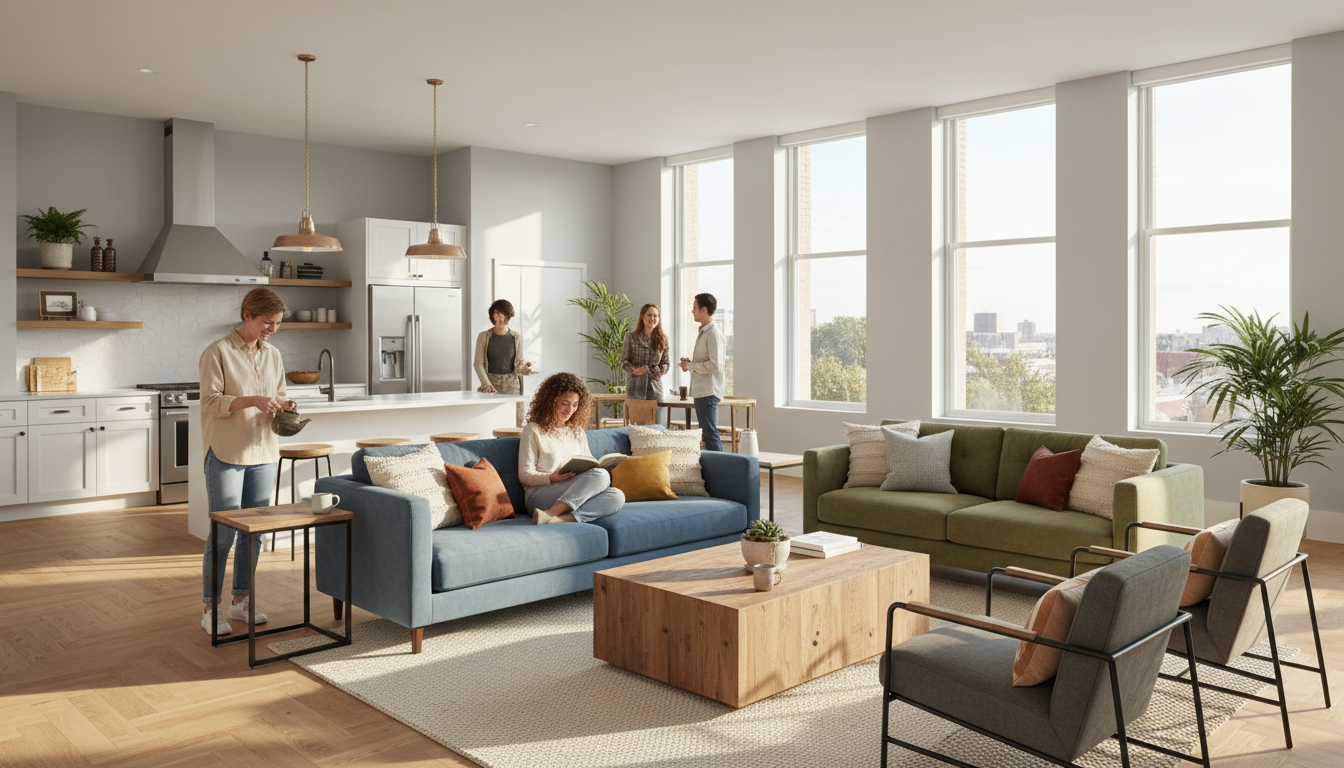
Co-living spaces are becoming increasingly popular, especially among millennials and young professionals. These spaces offer a sense of community, affordability, and convenience, making them an attractive option for those who prioritize social connections.
Real estate developers are responding by creating co-living communities that cater to this demographic, offering shared amenities and flexible lease options.
Conclusion: Staying Ahead in Real Estate
Staying informed about these trends is crucial for anyone involved in the real estate industry. By embracing technological advancements, focusing on sustainability, and understanding shifting preferences, real estate professionals can better serve their clients and stay competitive in a rapidly evolving market.
Whether you're a buyer, seller, or investor, understanding these trends will help you make informed decisions that align with the future of real estate.