
Homebuying Myths Debunked: What You Really Need to Know


Myth #1: You Need a 20% Down Payment
One of the most persistent myths in homebuying is that you need a 20% down payment to purchase a home. While a larger down payment can reduce monthly payments and eliminate the need for private mortgage insurance (PMI), it's not a strict requirement. Many lenders offer options with as little as 3% down for qualified buyers.
Government-backed loans, such as those from the Federal Housing Administration (FHA), often require even less. Exploring these options can help you get into a home sooner than you might have thought possible.

Myth #2: Renting Is Always Cheaper Than Buying
While renting may seem more affordable in the short term, buying a home can be a wise investment in the long run. With fixed-rate mortgages, your principal and interest payments remain stable, unlike rent, which can increase annually. Additionally, homeownership builds equity over time, providing financial security and potential profit when you sell.
It's essential to consider local market conditions, interest rates, and your long-term plans before deciding whether to rent or buy. In some areas, owning a home can be more cost-effective than renting.

Myth #3: Your Credit Has to Be Perfect
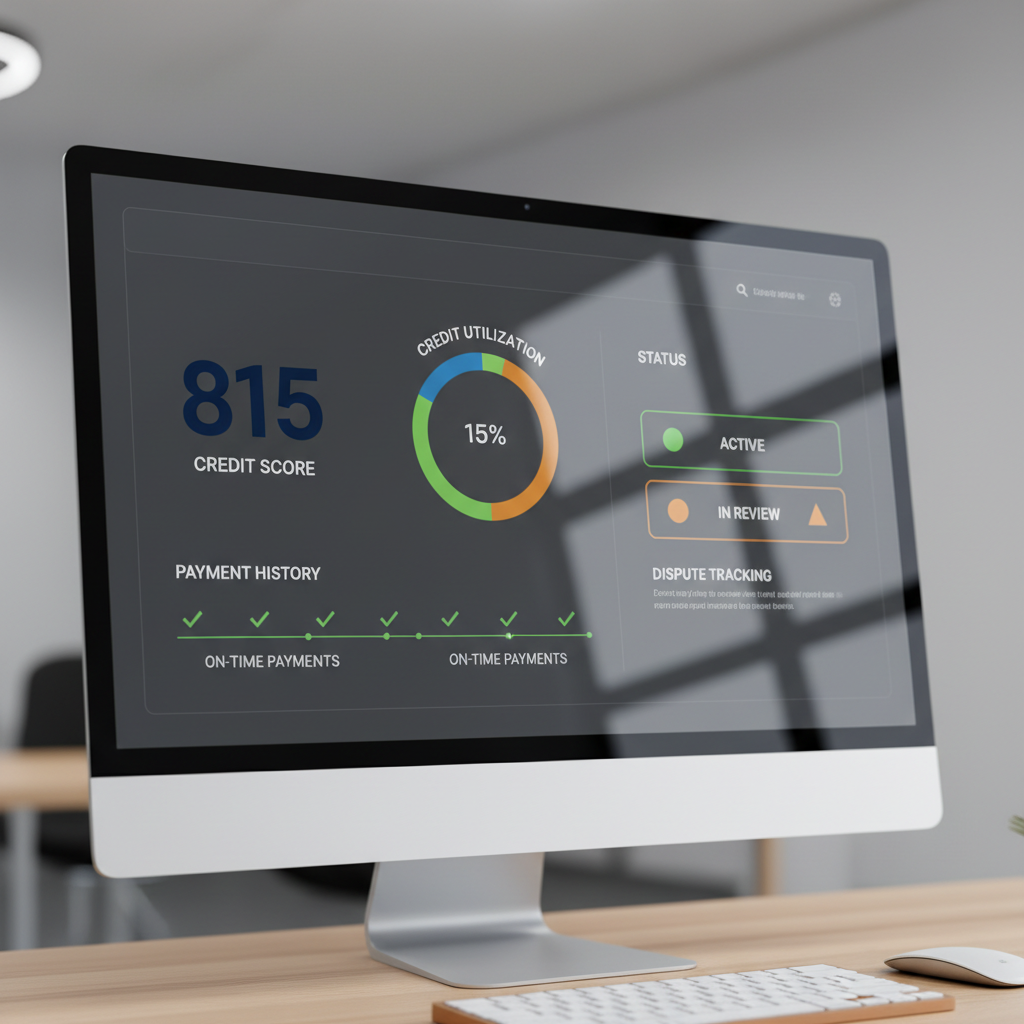
Having excellent credit can help secure favorable loan terms, but it's not a deal-breaker if your credit is less than perfect. Many lenders work with buyers who have lower credit scores, offering specialized programs to help them qualify for a mortgage.
Improving your credit score before applying can still be beneficial. Paying down debt, making timely payments, and avoiding new credit inquiries are practical steps to enhance your credit profile.
Myth #4: You Should Wait Until the Market Is Perfect
Trying to time the real estate market perfectly is nearly impossible. Market conditions fluctuate due to various factors, including economic changes, interest rates, and supply and demand. Instead of waiting for the "perfect" market, focus on your personal financial situation and readiness for homeownership.
Consulting with a knowledgeable real estate agent can provide insights into current market trends and help you make an informed decision.
Myth #5: It's Cheaper to Buy a Fixer-Upper
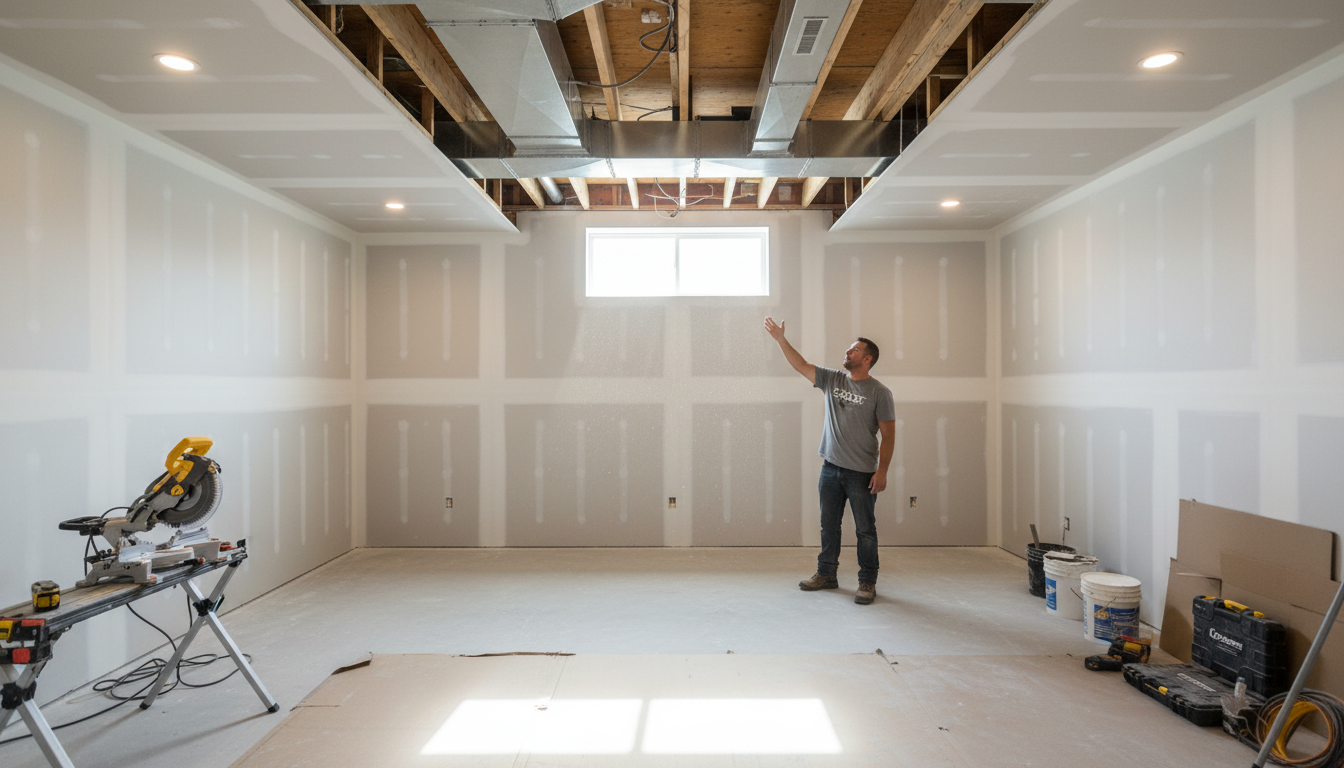
While buying a fixer-upper can seem like a cost-effective way to own a home, it's important to consider the potential renovation costs. Repairs and upgrades can quickly add up, sometimes exceeding the price of a move-in-ready home.
Before purchasing a fixer-upper, it's wise to get a detailed inspection and cost estimate for necessary repairs to ensure it aligns with your budget and capabilities.
Conclusion: Making Informed Decisions
Understanding these common myths can empower you to make informed decisions on your homebuying journey. By debunking these misconceptions, you're better equipped to navigate the process with confidence and clarity.
Whether you're a first-time buyer or looking to upgrade, having accurate information is key to making the right choice for your financial future.